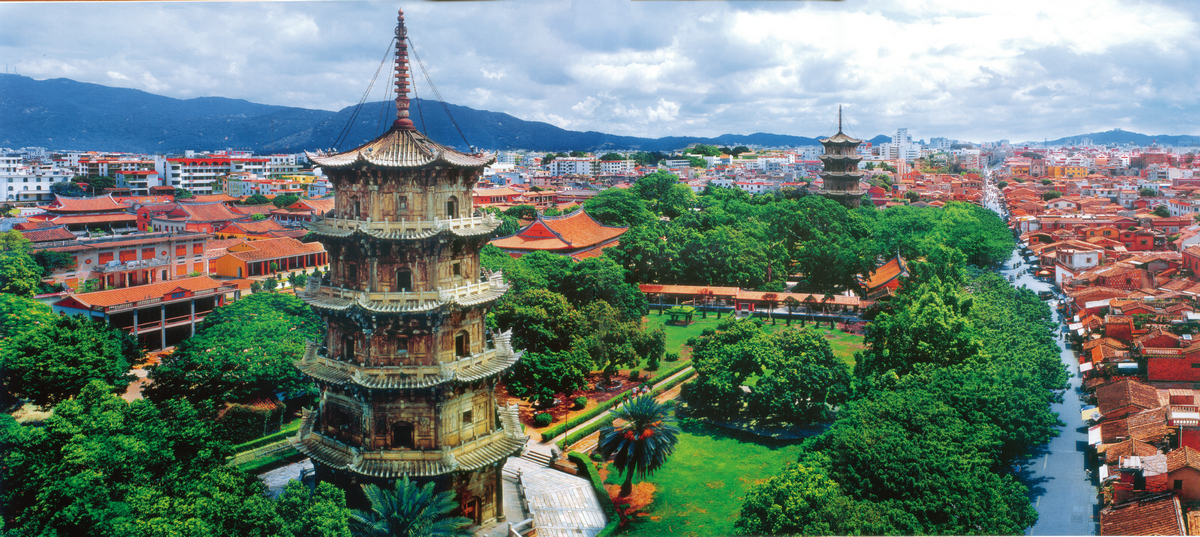
Quanzhou: Emporium of the World in Song-Yuan China
Introduction
Quanzhou: Emporium of the World in Song-Yuan China is a significant cultural and historical entry inscribed onto the UNESCO World Heritage List in 2021. This recognition took place during the 44th Session of the World Heritage Committee, reflecting the global importance of Quanzhou as a historical maritime trade hub. Located in East China's Fujian province, Quanzhou served as a vital port city during the Song (960-1279) and Yuan (1271-1368) dynasties, a time when it was known internationally as Zayton. The city was renowned for its bustling seaports and was one of the most important nodes along the ancient Maritime Silk Road. This UNESCO designation encompasses 22 sites and monuments, collectively depicting the thriving maritime trade and cultural exchanges that occurred from the 10th to 14th centuries. These sites include a range of cultural, religious, and infrastructural elements that illustrate Quanzhou's historical significance.
Historical Background
During the Song and Yuan dynasties, Quanzhou emerged as a pivotal center for maritime trade, becoming one of the busiest seaports in the world. Known as Zayton to international traders, Quanzhou facilitated extensive cultural and commercial exchanges between China and the outside world. The city's strategic location along the Maritime Silk Road contributed to its development as a vibrant port, connecting the East to the West. The trade networks established during this period were instrumental in the dissemination of goods, ideas, and cultures, marking Quanzhou as a significant player in global maritime history. Notably, the city's infrastructure, including its bridges, docks, and pagodas, was designed to support and guide voyages, further underscoring its role as a maritime hub. The administrative buildings, religious sites, and production facilities from the Song-Yuan period reflect a well-integrated trade structure and a diverse social system, showcasing the city's ability to accommodate a multicultural populace engaged in trade and cultural activities.
Cultural Significance
Quanzhou's cultural significance is deeply rooted in its role as a melting pot of diverse cultures and religions during the Song and Yuan dynasties. The city was home to various religious communities, including Buddhists, Taoists, Muslims, and Manichaeans, each leaving its mark on the city's cultural landscape. Key cultural sites include the Kaiyuan Temple, the largest ancient Buddhist temple in Fujian province, and the Qingjing Mosque, one of the oldest mosques in China. These sites, along with others such as the Statue of Mani in Cao'an Temple and the Islamic Tombs, highlight the religious diversity and cultural exchanges that characterized Quanzhou during its peak as a maritime emporium. The blend of architectural styles and artistic expressions found in these sites reflects the harmonious coexistence of different cultures and the city's openness to foreign influences. Quanzhou's cultural heritage is a testament to its historical role as a conduit for cultural exchange and mutual learning among civilizations.
Economic Impact
The economic impact of Quanzhou during the Song and Yuan dynasties was profound, with the city serving as a crucial center for maritime trade and commerce. Its strategic location and well-developed infrastructure facilitated the exchange of goods such as silk, porcelain, iron, and spices, making it an essential link in the global trade networks of the time. Quanzhou's economic prosperity was supported by its efficient transportation network, which included bridges and docks that connected the city to international trade routes. The Maritime Trade Office, established in 1087, played a pivotal role in managing and regulating trade activities, ensuring the city's continued economic growth. Iron and ceramic production sites, such as the Dehua and Cizao kilns, contributed to the city's economic output, producing commodities that were highly sought after in international markets. Quanzhou's economic legacy during this period underscores its status as a bustling trade emporium and highlights the city's contribution to the economic development of the region.
Architectural Heritage
The city boasts a rich array of architectural sites that reflect its diverse cultural influences and advanced engineering capabilities during the Song and Yuan dynasties. Notable architectural landmarks include the Luoyang Bridge, a marvel of Chinese bridge-building technology, and the Anping Bridge, a vital transport link to the southern coastal region. These structures exemplify the ingenuity and craftsmanship that characterized Quanzhou's infrastructure. Religious architecture, such as the Kaiyuan Temple and Qingjing Mosque, showcases the city's cultural diversity and the blending of different architectural styles. The city's architectural heritage also includes administrative and memorial sites, such as the Zhenwu Temple and the Site of Deji Gate, which reflect the city's urban planning and civic organization. Together, these architectural sites illustrate Quanzhou's historical role as a thriving port city and its enduring legacy as a cultural and architectural hub.
Archaeological Discoveries
Recent archaeological discoveries in Quanzhou have provided valuable insights into the city's historical significance and its role as a major maritime trade center. Excavations have uncovered iron-making remains in Anxi county, revealing Quanzhou's production capabilities during the Song and Yuan dynasties. These findings highlight the city's contribution to the trade of iron and steel, major commodities along the Maritime Silk Road. Additionally, the discovery of regulatory institutions from this period demonstrates Quanzhou's support for the monarch's reign through efficient trade management. The evolution of china-making technology, evidenced by relics from the Dehua kilns, further illustrates the city's industrial advancements. These archaeological findings not only shed light on Quanzhou's economic activities but also reveal the city's complex social and cultural dynamics. As ongoing excavations continue to unearth new discoveries, they contribute to a deeper understanding of Quanzhou's historical legacy and its significance in global trade and cultural exchanges.
Preservation and Conservation Efforts
Efforts to preserve and conserve Quanzhou's rich cultural heritage are ongoing, with the city implementing measures to protect its historical sites and maintain their outstanding universal value. Following its inscription onto the UNESCO World Heritage List, Quanzhou has committed to strengthening the protection and management of its cultural heritage sites. This includes the development of long-term preservation plans and continued archaeological excavations to uncover and conserve additional historical artifacts. The local authorities, in collaboration with international organizations, are focused on enhancing conservation efforts and ensuring the sustainable development of Quanzhou's heritage. These initiatives aim to safeguard the city's unique historical and cultural legacy for future generations, promoting cultural exchanges and mutual learning among civilizations. As Quanzhou continues to balance development with conservation, it serves as a model for other heritage sites worldwide, demonstrating the importance of preserving cultural heritage in the context of modern urban growth.








